When Is It Time to Move From Residential Care to Nursing Care?
As a person's care needs change, families may begin to wonder whether residential care continues to provide the right level of support. Sometimes, a person may need more regular nursing support or assistance with more complex health needs, making nursing care a more suitable option.
Knowing when that point has been reached can feel difficult. Care needs are personal, and there is no single point at which someone automatically needs nursing care. Understanding the difference between residential and nursing care can, however, help families feel more prepared to have these conversations.
What is the Difference Between Residential and Nursing Care?
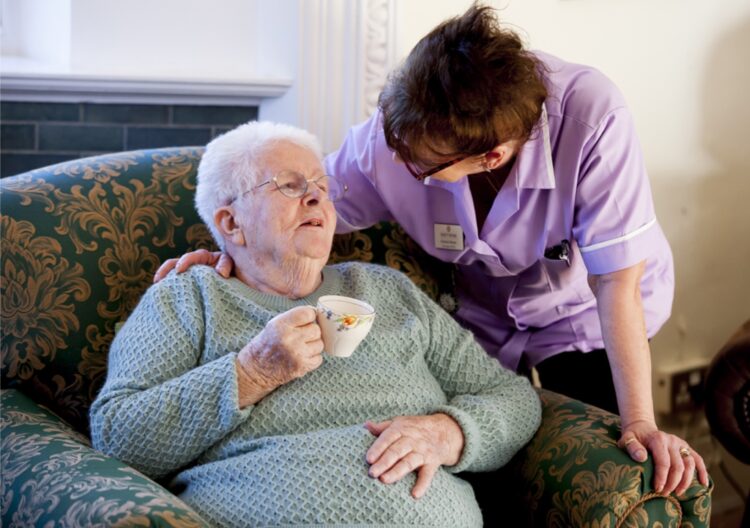
Residential care provides support with everyday life, personal care and wellbeing. This can include help with washing and dressing, taking medication, meals, mobility and other daily routines. It also provides companionship, activities and opportunities for residents to enjoy life within a supportive community.


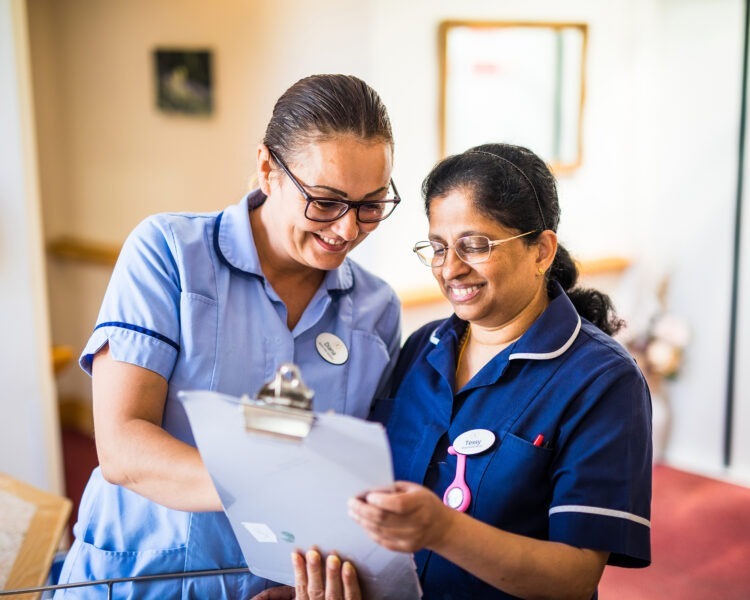
Nursing care includes these aspects of support while providing access to qualified nurses who can offer a higher level of clinical care. This may be appropriate for someone living with more complex or ongoing health needs that require regular nursing support.
The right type of care depends on the individual. Some people may need residential care, while others may benefit from nursing care from the beginning. For others, their needs may gradually change over time.
How Can Care Needs Change Over Time?
It is natural for a person's needs to change as they get older or as an existing health condition progresses. Someone who was initially comfortable with residential care may eventually require additional support with their health or personal care.
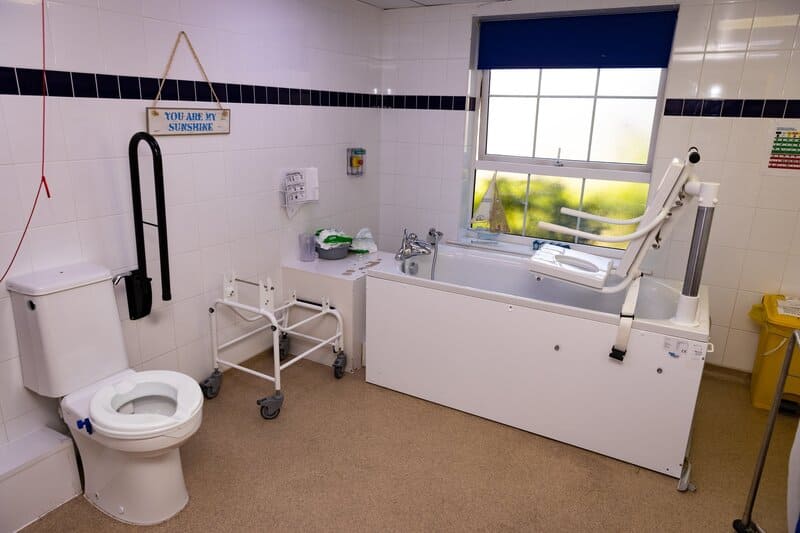
Families may notice that their loved one needs more assistance with mobility, medication or managing a long-term condition. They may also require more frequent monitoring or support with treatments that are beyond what residential care can usually provide.

These changes do not necessarily mean that something has gone wrong. They are often simply part of a person's changing circumstances, and recognising them can help ensure they continue to receive care that is appropriate for their needs.
Does Moving to Nursing Care Mean Moving to Another Home?
Not necessarily. When a person's needs change, families can understandably worry that their loved one will have to leave the people, surroundings and routines they have become familiar with.
Where a care home offers both residential and nursing care, it may be possible for a resident to continue living in the same environment while receiving additional support.
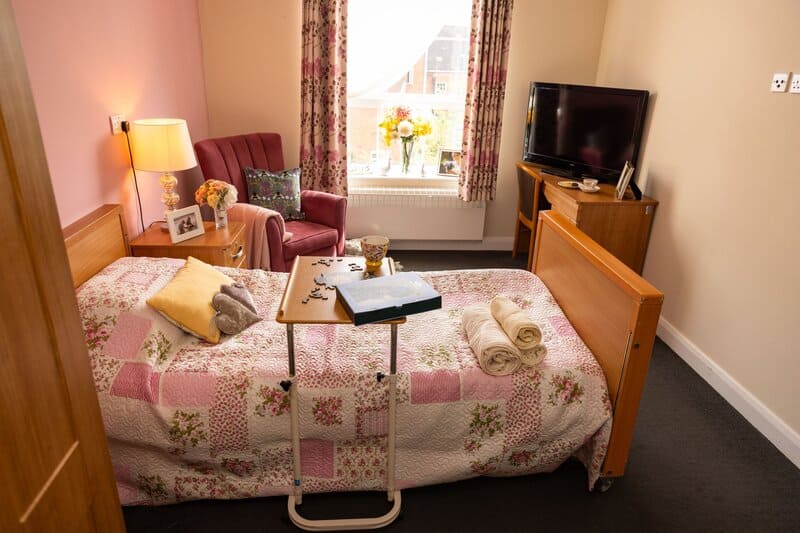
This can provide a sense of continuity. Familiar surroundings, relationships with staff and connections with other residents can remain an important part of everyday life, even as the level of care someone receives changes.
The Importance of Person-centred Care
Decisions about changing care should always focus on the individual. Nursing care is not simply about providing a higher level of support. It is about understanding what someone needs and making sure their care reflects their health, preferences, routines and wishes.
Families should feel able to ask questions and discuss any concerns with the care team. Conversations about changing needs can help everyone understand what support is available and what may be appropriate as circumstances develop.
It is also important that residents remain involved in decisions about their care wherever possible. Their choices, dignity and independence should continue to be respected throughout their care journey.
Nursing Care and Changing Health Needs
Nursing care can support people with a wide range of health needs. The level of support required will vary from person to person, which is why individual assessment and ongoing communication are so important.
For some residents, nursing care may also become particularly important as their health changes towards the later stages of life. Palliative and end-of-life care can form part of a person's wider care journey, with the focus on comfort, dignity and supporting both the individual and the people close to them.
Having access to appropriate care within a familiar environment can provide reassurance for residents and their families during these important stages of life.
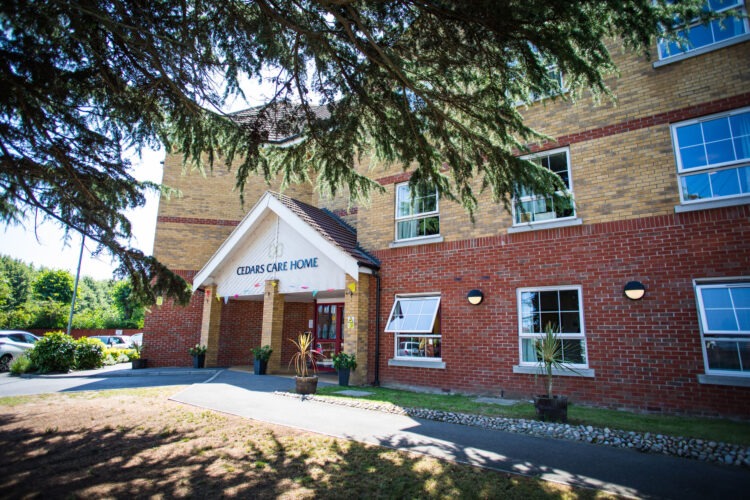
Nursing Care coming to Cedars Care Home
From mid-October, Cedars Care Home will be offering nursing care in Southend-on-Sea alongside its existing care services.
This means Cedars will be able to support residents who require nursing care within the home, helping provide continuity as their needs change.
For families considering care for a loved one, having residential and nursing support available within the same home can offer reassurance that their loved one's changing needs can be considered as part of their ongoing care journey.
If you are considering nursing care for yourself or a loved one, our friendly team at Cedars Care Home would be happy to answer your questions and talk through the support available. Get in touch with us to arrange a visit and see our home for yourself.